What homeowners often miss after a fire
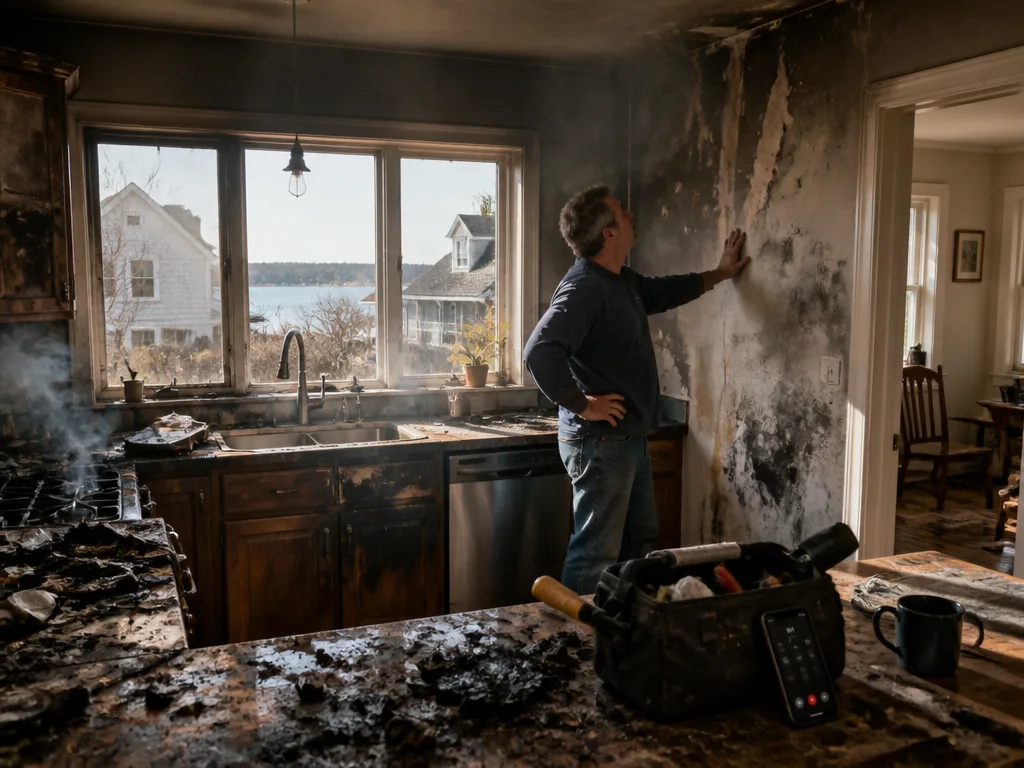
Fire leaves more than charred surfaces. In Massachusetts, smoke can travel through gaps, vents, and structural voids, leaving a lingering odor and unseen damage. A responsible fire & smoke damage specialist will look beyond visible scorch marks and assess breath of air, moisture, and residue that can affect indoor air quality. Early recognition helps protect your family and your property across the state.
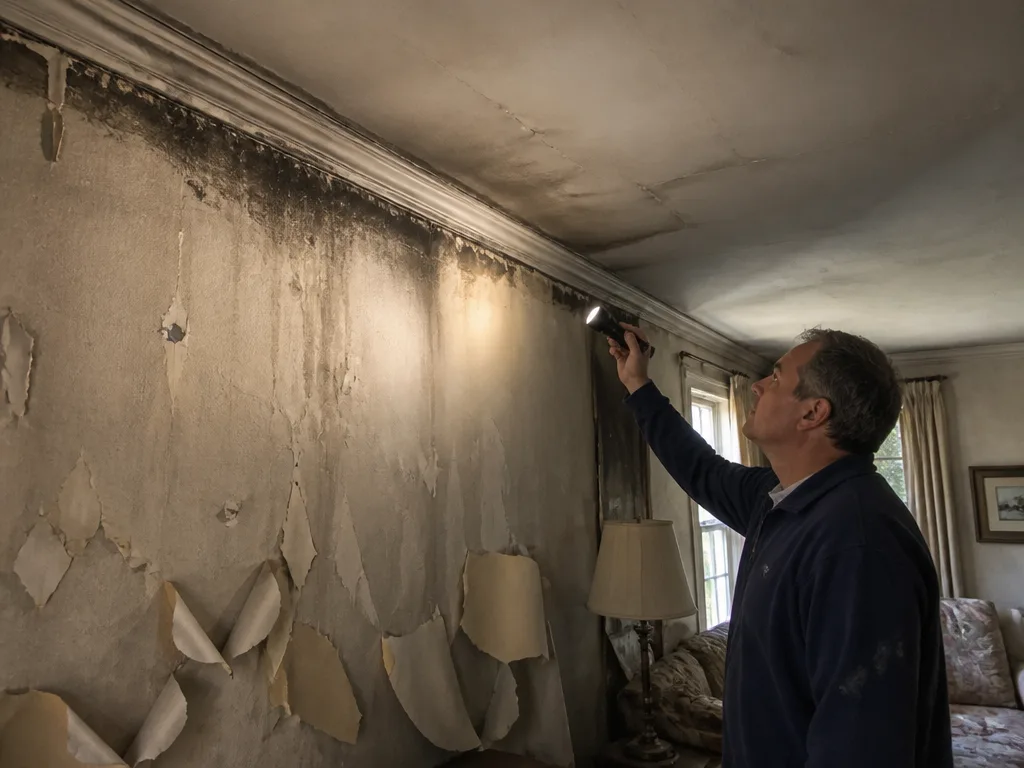
Common warning signs aren’t always dramatic. A persistent smoky odor, darkened soot near high spots like ceilings, warped wallpaper, or damp patches around fixtures can signal hidden trouble. If you notice a persistent smell after the area has cooled, it’s worth a professional check. Across Massachusetts, crews observe that the most stubborn issues show up in rooms adjacent to kitchens, living spaces, and hallways where smoke can drift over time.
What to inspect before calling a fire & smoke damage specialist
Start with a visual sweep. Look for white or gray film on walls, ceilings, and trim. Check for sticky or tacky residues near outlets and switches. If you see discoloration on fabric, drapes, or furniture, that can indicate smoke particles. In Massachusetts homes, high humidity and seasonal weather can exacerbate residue settling, making a quick check worthwhile for any homeowner across the state.
Don’t forget hidden spots. Check around attic access points, plumbing penetrations, and areas where wiring runs through walls. If you can smell smoke strongly in a room that was just painted or cleaned, that’s a sign to pause and call a professional. Across Massachusetts, a proactive assessment from a fire & smoke damage specialist helps determine scope and exposure before cleanup begins.
Why it matters to Massachusetts homeowners
Residues from smoke can corrode surfaces and affect indoor air quality. In Massachusetts, porous materials like drywall, fabric, and wood can absorb oily residues that keep odors lingering. A thorough evaluation helps protect your health and your home’s value. Fire & smoke damage specialists across Massachusetts use careful, noninvasive methods to identify affected areas and outline a plan that respects the home’s structure and finishes.
Key indicators to watch over time
- Persistent odor after cleaning
- Discoloration or staining on ceilings and walls
- Sticky residues on furniture or fixtures
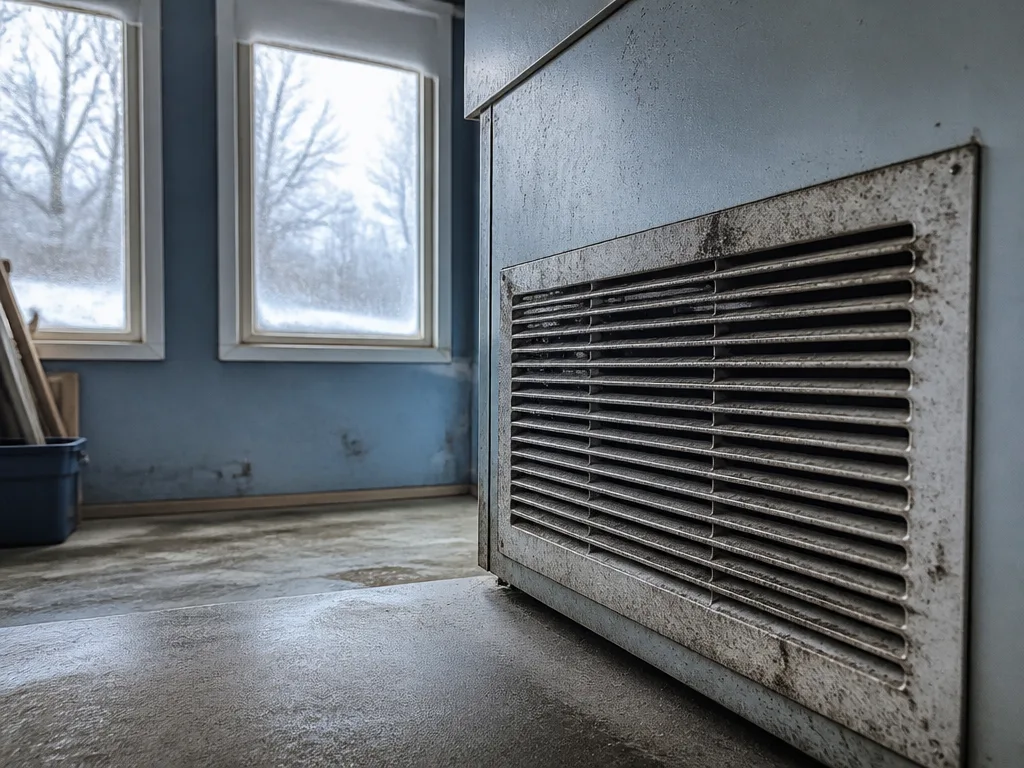
- Moisture buildup near vents or electrical outlets
Next steps if you notice warning signs
Document what you observe with dates and photos. Avoid attempting large cleaning projects that could spread residues. Contact a Massachusetts fire & smoke damage specialist for a professional assessment. The goal is to identify all impacted areas and plan a safe, thorough cleanup that preserves your home’s integrity across the state.